

Showing 1–36 of 52 results

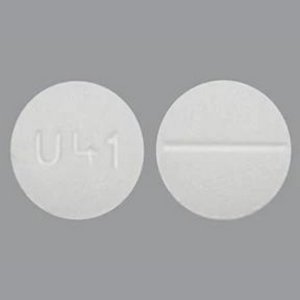
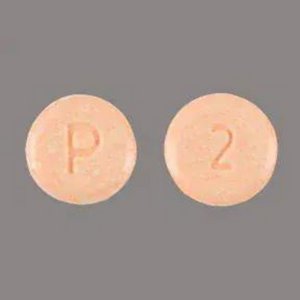
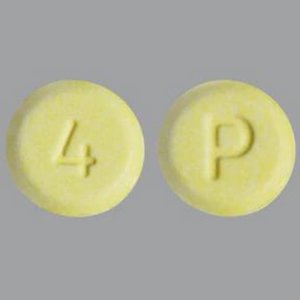

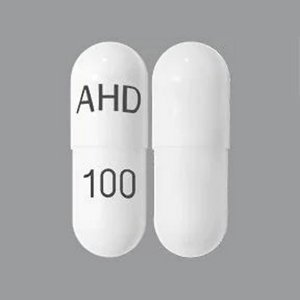

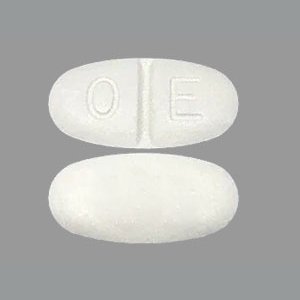


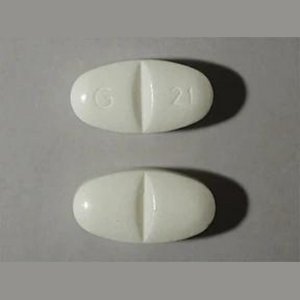
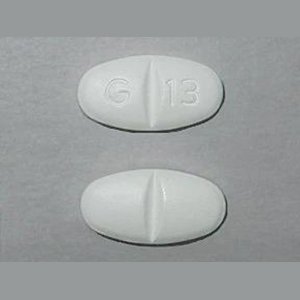


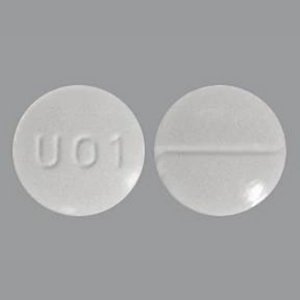


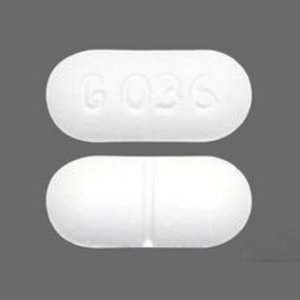




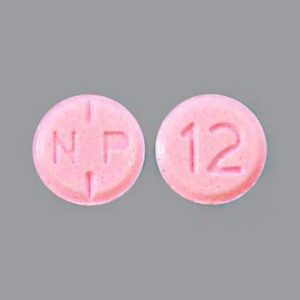

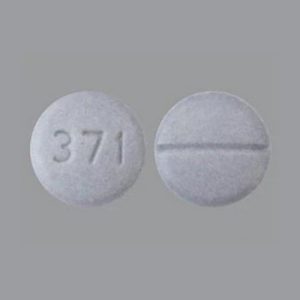

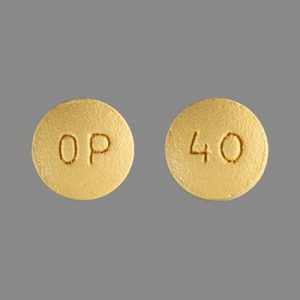


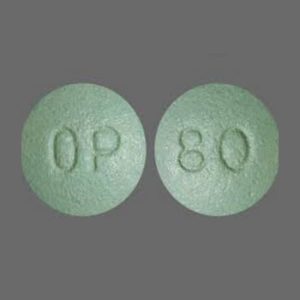
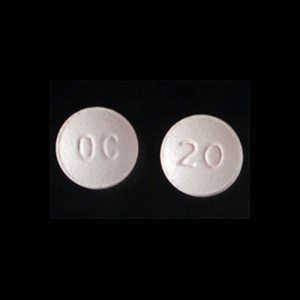


Pain relief medications are drugs used to reduce or manage pain from injuries, surgery, chronic conditions, or other medical issues.
1. Common Types of Pain Relief Medications:
-
Non-Opioid Pain Relievers (NSAIDs and Acetaminophen):
-
Examples: Ibuprofen, Naproxen, Aspirin, Acetaminophen
-
Reduce inflammation, fever, and mild to moderate pain
-
Over-the-counter (OTC) options available
-
-
Opioid Pain Relievers:
-
Examples: Hydrocodone, Oxycodone, Morphine, Codeine, Norco, Lortab, Dilaudid, Methadone
-
Used for moderate to severe pain
-
Prescription required; risk of addiction and dependence
-
-
Adjuvant Medications:
-
Examples: Gabapentin, Pregabalin, Amitriptyline
-
Often used for nerve pain, chronic pain syndromes, or fibromyalgia
-
-
Topical Pain Relievers:
-
Creams, gels, or patches
-
Examples: Lidocaine patch, Capsaicin cream
-
Localized pain relief with fewer systemic side effects
-
2. How Pain Relief Medications Work:
-
NSAIDs: Reduce prostaglandins to decrease inflammation and pain.
-
Acetaminophen: Reduces pain and fever, works on the brain to block pain signals.
-
Opioids: Bind to opioid receptors in the brain and spinal cord to reduce pain perception.
-
Adjuvants: Modulate nerve signals to reduce chronic or neuropathic pain.
3. Important Information:
-
Do not mix opioids with alcohol or sedatives.
-
Long-term opioid use may lead to tolerance, dependence, or addiction.
-
NSAIDs may cause stomach irritation, ulcers, or kidney problems if overused.
4. Common Side Effects:
-
Drowsiness, dizziness
-
Nausea, vomiting
-
Constipation (especially with opioids)
-
Headache, mild itching
5. Serious Side Effects:
-
Slow or irregular breathing (opioids)
-
Severe allergic reactions
-
Liver damage (acetaminophen overdose)
-
Heart or kidney problems (NSAIDs)
-
Addiction or overdose (opioids)
6. Dosage:
-
Varies depending on medication type, severity of pain, age, and medical conditions.
-
Always follow prescribed instructions; do not adjust on your own.
7. FAQs:
-
Can I drink alcohol while taking pain medications? – No, it may increase side effects or overdose risk.
-
Can I take opioids long-term? – Only under medical supervision; risk of dependence exists.
-
Can NSAIDs be taken with other medications? – Consult your doctor to avoid interactions.