


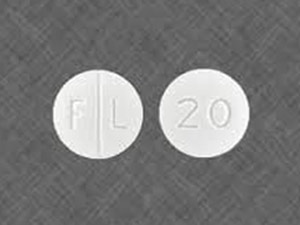
What is Lexapro?
Lexapro (generic name: Escitalopram) is a prescription antidepressant that belongs to the class of drugs called SSRIs (Selective Serotonin Reuptake Inhibitors). It is commonly used to treat major depressive disorder (MDD) and generalized anxiety disorder (GAD).
Lexapro works by increasing the levels of serotonin, a natural chemical in the brain that helps improve mood, sleep, and energy levels.
Important Information
-
Lexapro is not habit-forming, but sudden discontinuation can cause withdrawal symptoms.
-
It may take 1–4 weeks before you feel the full benefit of this medication.
-
Do not take Lexapro with MAO inhibitors or within 14 days of stopping one, as it can cause dangerous interactions.
-
Children, adolescents, and young adults may have an increased risk of suicidal thoughts when taking antidepressants.
-
Alcohol consumption should be avoided while on Lexapro as it may worsen drowsiness or dizziness.
What to Know Before Taking Lexapro?
Tell your doctor if you have ever had:
-
Bipolar disorder or manic episodes
-
Liver or kidney disease
-
Seizure disorders or epilepsy
-
Bleeding problems (especially if using blood thinners)
-
Narrow-angle glaucoma
-
Heart problems or electrolyte imbalances
How to Take Lexapro?
-
Take Lexapro exactly as prescribed, once daily, with or without food.
-
It is usually taken in the morning or evening at the same time every day.
-
Do not crush or chew tablets; swallow them whole with water.
-
Do not stop taking Lexapro suddenly; your doctor may gradually reduce your dose to prevent withdrawal effects.
Lexapro Dosage & Overdose
Typical Dosage:
-
Adults with Depression or Anxiety: Start with 10 mg once daily. The dose may be increased to 20 mg once daily after at least 1 week.
-
Older adults or patients with liver problems: Usually start at 5 mg once daily.
Overdose Symptoms May Include:
-
Severe dizziness or fainting
-
Irregular heartbeat
-
Seizures
-
Nausea, vomiting, or tremors
-
Confusion or loss of consciousness
Seek emergency medical help immediately if overdose is suspected.
What to Avoid While Using Lexapro?
-
Avoid drinking alcohol, as it may increase drowsiness and impair judgment.
-
Do not use other SSRIs, SNRIs, MAO inhibitors, or St. John’s Wort without consulting your doctor.
-
Avoid driving or operating heavy machinery until you know how Lexapro affects you.
Lexapro Side Effects
Serious Side Effects:
-
Suicidal thoughts or mood changes (especially in younger patients)
-
Seizures or convulsions
-
Irregular heartbeat or chest pain
-
Serotonin syndrome (symptoms include agitation, hallucinations, rapid heartbeat, fever, sweating, muscle stiffness, or tremors)
-
Severe allergic reaction (rash, itching/swelling, trouble breathing)
Common Side Effects:
-
Nausea, vomiting, diarrhea, or indigestion
-
Drowsiness or trouble sleeping
-
Dizziness or fatigue
-
Increased sweating
-
Dry mouth
-
Weight changes or decreased appetite
-
Sexual side effects (reduced libido, difficulty reaching orgasm)
What is Lexapro Used For?
-
Major Depressive Disorder (MDD)
-
Generalized Anxiety Disorder (GAD)
-
Sometimes prescribed off-label for panic disorder, OCD (Obsessive-Compulsive Disorder), or social anxiety disorder.
What Drugs Can Interact with Lexapro?
Tell your doctor if you take any of the following:
-
MAO inhibitors (phenelzine, isocarboxazid, tranylcypromine)
-
Other antidepressants (sertraline, fluoxetine, venlafaxine)
-
Blood thinners or NSAIDs (warfarin, ibuprofen, aspirin) → may increase bleeding risk
-
Triptans (migraine medications)
-
Lithium or tramadol (risk of serotonin syndrome)
-
Alcohol or sedatives (may worsen drowsiness and dizziness)