


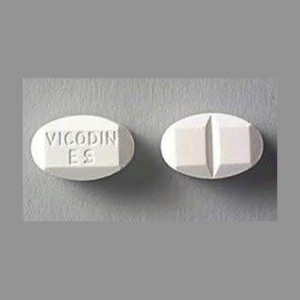
What is Vicodin?
Vicodin is a prescription medication combining hydrocodone (an opioid pain reliever) and acetaminophen. It is used to treat moderate to severe pain when other treatments are ineffective. It works by binding to opioid receptors in the brain and nervous system, reducing pain signals throughout the body.
Important Information
-
Take Vicodin only under your doctor’s supervision.
-
Do not rely solely on Vicodin; follow your doctor’s overall treatment plan.
-
Regular health checkups are advised while using Vicodin.
-
Keep Vicodin out of reach of children and anyone with a history of drug abuse.
-
Do not stop Vicodin abruptly; your doctor will taper your dose to prevent withdrawal.
-
Only use Vicodin with a valid prescription.
Before Taking Vicodin
Avoid Vicodin if you:
-
Are allergic to hydrocodone, acetaminophen, or similar drugs.
-
Have breathing problems, sleep apnea, liver or kidney disease.
-
Are a drug or alcohol addict.
-
Are pregnant or breastfeeding.
Consult your doctor if you have:
-
Thyroid, pancreas, or gallbladder problems.
-
Serotonin syndrome symptoms.
-
A recent history of MAO inhibitor use.
How to Take Vicodin
-
Take Vicodin exactly as prescribed.
-
Follow all instructions on the prescription label.
-
Do not increase or decrease the dose without consulting your doctor.
-
If pain persists, inform your doctor.
-
Never share Vicodin with others.
-
Follow Opioid Analgesic REMS program guidelines.
Overdose Symptoms
-
Extreme drowsiness
-
Slow or stopped breathing
-
Pinpoint pupils
-
Cold, clammy skin
-
Confusion, fainting
-
Nausea, vomiting, dark urine, yellowing of eyes/skin
What to do: Seek immediate medical help. Contact poison control at 1-800-222-1222 if needed.
What to Avoid
-
Alcohol – can be life-threatening.
-
Herbal products, vitamins, supplements – consult your doctor.
-
Cold/ allergy medications – check with your doctor.
-
Driving or operating machinery if drowsy or dizzy.
Side Effects
Common:
-
Drowsiness, dizziness
-
Headache
-
Nausea, constipation, upset stomach
-
Blurred vision, dry mouth
Serious:
-
Shallow or stopped breathing, sleep apnea
-
Confusion, mood changes, seizures
-
Liver problems (jaundice, dark urine, nausea, vomiting)
-
Serotonin syndrome (agitation, hallucinations, rapid heart rate, shivering, muscle twitching)
Drug Interactions
Vicodin may interact with:
-
Cold/ allergy medications
-
Asthma or COPD medications
-
Motion sickness drugs
-
Opioid or sedative medications
-
MAO inhibitors
-
Anti-anxiety, anti-depressants, migraine medications
-
Antibiotics, antifungal, heart medications, antiseizure medications, HIV/HCV medications
Always inform your doctor about all medications you are taking before starting Vicodin.