

Showing all 14 results
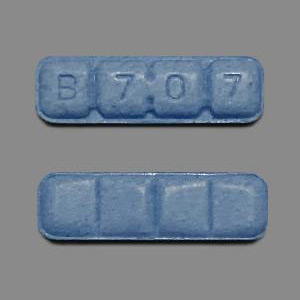
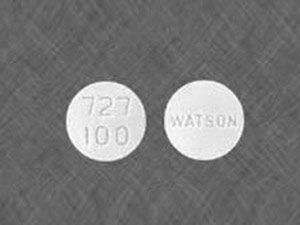






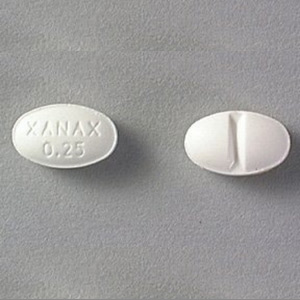


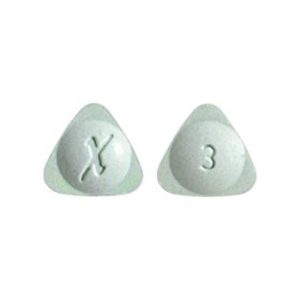

What is Xanax?
-
Xanax is the brand name for the medicine Alprazolam.
-
It belongs to the benzodiazepine class of drugs, like Valium and Klonopin.
-
Xanax works by enhancing the activity of GABA (Gamma-Aminobutyric Acid) in the brain, which helps calm overactive nerve signals.
-
It is mainly used for anxiety and panic disorders.
Common Uses:
-
Generalized Anxiety Disorder (GAD) – reduces constant worry and tension.
-
Panic Disorder – prevents and reduces sudden panic attacks.
-
Short-term Relief of Anxiety Symptoms – especially when very intense.
Precautions:
-
Works quickly but for a shorter duration compared to Valium.
-
Can cause drowsiness, dizziness, memory issues.
-
Risk of dependence and withdrawal if taken for long periods.
-
Not safe with alcohol, opioids, or other sedatives.
Here are the complete details of Xanax (Alprazolam)
Generic Name: Alprazolam
Brand Name: XANAX®, XANAX XR
Patent Holder: Pfizer Inc.
Chemical Formula: 8-Chloro-1-methyl-6-phenyl-4H-s-triazolo [4,3-α] [1,4] benzodiazepine.
Important Information about Xanax
-
What it is
-
Xanax (Alprazolam) is a benzodiazepine used mainly for anxiety and panic disorders.
-
-
How it Works
-
Enhances GABA (a calming brain chemical) → reduces overactive signals in the brain → creates relaxation.
-
-
How Fast & How Long
-
Works quickly (within 30–60 minutes).
-
Shorter-lasting than Valium (effects usually last 4–6 hours).
-
-
Risks & Precautions
-
Can cause drowsiness, dizziness, memory issues.
-
Risk of dependence, tolerance, and withdrawal (should not stop suddenly).
-
Not safe to mix with alcohol, opioids, or other sedatives → can be dangerous.
-
-
Medical Conditions to Tell Your Doctor
-
Liver/kidney problems
-
Breathing issues (COPD, sleep apnea, asthma)
-
Depression or suicidal thoughts
-
History of drug/alcohol misuse
-
-
Pregnancy & Breastfeeding
-
Not safe during pregnancy (may harm the baby).
-
Passes into breast milk → avoid if breastfeeding.
-
-
General Safety
-
Take only as prescribed by your doctor.
-
Avoid driving or operating heavy machinery until you know how it affects you.
-
Use for short-term relief, not long-term daily use.
-
What to know before taking Xanax?
Being a benzodiazepine medication, Xanax is highly addictive and habit-forming even at regular doses. To avoid the adverse effects of Xanax, please take care of all necessary precautions while taking Xanax. In addition to the above, you need to consider the following things before starting your treatment with Xanax:
- Please avoid taking Xanax if you are allergic to it, its components, or any other benzodiazepine medication.
- Using Xanax is not advisable if you have or ever have the following health disorders:
- Chronic obstructive pulmonary disorder (COPD)
- Sleep apnea (breathing that stops while sleeping) or other breathing disorders
- Depression
- Mood swings or behavioral disorders
- Destructive or self detrimental thoughts or behavior
- Kidney disorder
- Liver disease
How to take Xanax?
-
Doctor’s Prescription Only
-
Xanax should never be taken without medical advice.
-
-
Tell Your Doctor if You Have
-
Liver or kidney disease
-
Breathing problems (asthma, COPD, sleep apnea)
-
Depression, bipolar disorder, or suicidal thoughts
-
History of drug/alcohol addiction
-
Glaucoma (especially narrow-angle)
-
-
Pregnancy & Breastfeeding
-
Not safe during pregnancy (may harm the baby).
-
Passes into breast milk → avoid if breastfeeding.
-
-
Interactions with Other Substances
-
Do not mix with alcohol, opioids, sleeping pills, or other sedatives (dangerous breathing problems may occur).
-
Always inform your doctor about other medicines you take.
-
-
Risk of Dependence
-
Xanax can be habit-forming → should not be used long-term.
-
Never stop suddenly → must be tapered slowly under medical supervision.
-
-
Effect on Alertness
-
Can cause drowsiness, dizziness, or poor coordination.
-
Avoid driving or operating heavy machinery until you know how it affects you.
-
Xanax dosage
For Anxiety Disorders:
-
Adults (Generalized Anxiety Disorder)
-
Starting dose: 0.25 mg to 0.5 mg, 3 times daily
-
Usual dose: 0.5 – 4 mg per day (divided into multiple doses)
-
For Panic Disorder:
-
Adults
-
Starting dose: 0.5 mg to 1 mg, once daily at bedtime (extended-release) or in divided doses (immediate-release)
-
Usual range: 4 – 6 mg per day
-
Maximum dose: 10 mg per day (in severe cases, under strict medical supervision)
-
For Elderly or Weak Patients:
-
Start lower: 0.25 mg, 2–3 times daily
-
Slowly adjust based on tolerance and response
Children:
-
Not usually recommended (safety and effectiveness not well established).
Dosage for managing and treating anxiety and panic attacks
For Generalized Anxiety Disorder (GAD):
-
Initial Dose (Adults):
-
0.25 mg to 0.5 mg, 3 times daily
-
-
Usual Effective Dose:
-
0.5 – 4 mg per day, divided into 2–3 doses
-
-
Adjustment:
-
Doctor may increase every 3–4 days if needed
-
For Panic Disorder:
-
Initial Dose (Adults):
-
0.5 mg – 1 mg, once daily at bedtime (extended-release) OR divided doses (immediate-release)
-
-
Usual Effective Dose:
-
4 – 6 mg per day (divided into doses)
-
-
Maximum Dose:
-
Up to 10 mg per day (only in severe cases, under strict supervision)
-
For Elderly or Weak Patients:
-
0.25 mg, 2–3 times daily (start low, adjust slowly)
Overdose of Xanax
-
Mild to Moderate Overdose
-
Extreme drowsiness, confusion
-
Poor coordination, slurred speech
-
Blurred vision
-
Slow reflexes
-
-
Severe Overdose
-
Trouble breathing (respiratory depression)
-
Very low blood pressure
-
Loss of consciousness or coma
-
In rare cases → death (especially if mixed with alcohol, opioids, or other sedatives)
-